Category: Sleep Health

  • What Your Brain Does While You Sleep: The Amazing Science of Memory

    What Your Brain Does While You Sleep: The Amazing Science of Memory

    Imagine this: You learn a new tennis move, meet someone new, or read a fascinating fact in the afternoon. Then you go to bed. While you sleep, your brain is still busy. It is working with the information you collected during the day, helping some memories become easier to recall later.

    Quick answer: Sleep helps your brain strengthen and organize memories. Researchers call this process memory consolidation. It is one reason a good night’s sleep matters for learning, remembering names, and practicing new skills.

    Illustration of a sleeping person and the brain replaying experiences as memories
    While you sleep, your brain can reactivate memories from your day.

    Your Brain Has a Night Shift

    Your brain doesn’t simply switch off when you close your eyes. It moves through different stages of sleep, each with its own patterns of electrical activity. During these hours, networks of brain cells communicate in ways that help support learning and memory.

    Think of your day as a busy trip where you take dozens of photographs. Sleep is one of the times your brain works on sorting the pictures and helping important ones become easier to find. It’s an analogy, but it captures a remarkable fact: memory is an active process, even while you rest.

    Meet the Hippocampus: Your Brain’s Memory Helper

    Deep inside your brain is a small structure called the hippocampus. It helps you form new memories of experiences and facts. You might use it when learning the name of a new friend or remembering what happened during a vacation.

    Scientists study how the hippocampus and the outer layers of the brain, called the cerebral cortex, work together. One leading model proposes that during sleep, some recently formed memories are repeatedly activated and gradually become better integrated into longer-lasting networks across the brain.

    What Happens While You Sleep?

    1. The Brain Replays Parts of the Day

    Researchers have found that patterns of activity connected with waking experiences can appear again during sleep. This process, called reactivation, is one way scientists explain how sleep helps strengthen learning.

    2. Slow-Wave Sleep Helps Memories Settle In

    During deep non-REM sleep, the brain produces slow electrical waves. Faster bursts of activity called sleep spindles can also appear. Researchers are investigating how these rhythms help different brain areas coordinate the work of storing memories.

    Illustration of brain waves and memories strengthening while a person sleeps
    Sleep rhythms help the brain organize and strengthen memories.

    3. A New Skill Gets More Practice

    Suppose you spend the afternoon practicing a tennis serve or playing a new song on the piano. Practice is what builds the skill. Sleep can support the brain changes that help you remember what you’ve practiced. In some experiments, people performed better after a period that included sleep than after the same amount of time spent awake.

    What Does the Scientific Research Say?

    A 2024 review of systematic reviews and meta-analyses examined research on sleep and memory in children and adults. It found evidence that sleep supports several kinds of memory, including remembering future tasks and making connections between pieces of information.

    A major review published in Physiological Reviews in 2026 describes how sleep contributes to the formation of long-term memories and examines the brain processes behind that work. These findings give us an exciting look at why sleep is an essential partner in learning.

    A 2026 systematic review of 19 studies also found that sleep was especially helpful for certain face-and-name learning tasks. Imagine your brain working to connect someone’s face with the name you just learned!

    Illustration of a sleeping person and glowing brain connections linking memories
    Your sleeping brain works with memories of people, places, and new skills.

    Sleep and Memory as We Grow Older

    Memory matters at every age, from studying for a test to learning a new hobby in retirement. Researchers are also exploring how changes in sleep patterns with age may affect the brain’s ability to strengthen memories. Understanding this relationship could help guide future approaches to supporting cognitive health.

    The encouraging takeaway is that everyday sleep habits are something we can pay attention to right now.

    Five Simple Ways to Support Your Brain’s Night Shift

    • Keep a regular sleep schedule. Try going to bed and waking up around the same time each day.
    • Give yourself enough time to sleep. Most adults are advised to aim for at least seven hours per night.
    • Practice, then rest. After learning something new, give your brain the chance to process it during sleep.
    • Make the bedroom comfortable. A quiet, dark, pleasantly cool room can help create a restful setting.
    • Enjoy daylight and movement. Regular activity and daytime light help support your body’s daily rhythm.

    Explore More About Sleep

    Curious about how foods and plant compounds relate to rest? Read our Tart Cherry and Sleep: What Human Studies Really Show. It explores published human research on tart cherry juice and sleep.

    Frequently Asked Questions

    Does your brain stop working when you fall asleep?

    Quite the opposite! Your brain remains active throughout the night, moving through sleep stages and taking part in processes involved in learning and memory.

    What is memory consolidation?

    It is the process by which recently learned information becomes more stable and is woven into the brain’s longer-term memory networks.

    Can sleep help after learning a new skill?

    Yes. Studies suggest that sleep can help strengthen some kinds of learning, including certain movement skills and memories for facts or experiences.

    The Amazing Takeaway

    You close your eyes, the room becomes quiet, and another part of your day begins. Deep inside your brain, billions of cells continue their intricate work. Sleep gives your memory systems a chance to organize and strengthen what you’ve learned. Every restful night is another opportunity for your remarkable brain to do its work.

    Scientific References

    1. Lutz ND, Harkotte M, Born J. Sleep’s contribution to memory formation. Physiological Reviews. 2026.
    2. Sleep and memory consolidation in healthy children and adults: a summary of systematic reviews and meta-analyses. 2024.
    3. Ke H, Yuan K, Liu K. The role of sleep in strengthening face learning and memory consolidation: A systematic review. 2026.
    4. Does overnight memory consolidation support next-day learning? 2025.

    By Healthy Vitality Hub Editorial Team. This article provides general educational information.
  • Tart Cherry and Sleep: What Human Studies Really Show

    Tart Cherry and Sleep: What Human Studies Really Show

    Could a glass of tart cherry juice help you sleep more comfortably? Researchers have explored this colorful fruit for a surprising reason: tart cherries contain plant compounds and naturally occurring melatonin, a hormone involved in our sleep-wake timing.

    Quick answer: Human clinical trials have reported encouraging findings for certain tart cherry juice preparations, including changes in sleep duration and sleep efficiency. The results vary by study, so it is important to look at what the researchers actually tested.

    What Makes Tart Cherries Interesting for Sleep?

    Tart cherries—often Montmorency cherries—contain polyphenols, including anthocyanins, which give cherries their deep red color. They also contain naturally occurring melatonin. Researchers are exploring how these substances, and pathways involving tryptophan, might relate to sleep.

    An important detail: studies generally examine particular tart cherry juice or concentrate preparations. These findings make tart cherry a particularly interesting ingredient to explore in sleep-support formulas.

    What Have Human Studies Found?

    2012: Tart Cherry Concentrate, Melatonin and Sleep

    In a randomized, placebo-controlled crossover trial, researchers gave healthy adults tart cherry juice concentrate or a comparison drink. They measured sleep using activity monitors and questionnaires, along with a marker of melatonin in urine. During the tart cherry period, the researchers reported increases in total sleep time and sleep efficiency, as well as higher melatonin measures. This finding offers a reason to study tart cherries further. [Howatson et al., European Journal of Nutrition]

    2010: Tart Cherry Juice and Older Adults

    Another randomized crossover study examined tart cherry juice in older adults experiencing insomnia. Compared with placebo, the study reported improvement in time awake after falling asleep and an insomnia severity measure. Other measures, including total sleep time, did not improve significantly compared with placebo. [Pigeon et al., Journal of Medicinal Food]

    2018: A Closer Look at Sleep Time

    In a placebo-controlled crossover trial involving adults with insomnia, researchers measured sleep using overnight testing. Among eight participants who completed the study, the tart cherry juice period was associated with an average increase of 84 minutes in sleep time. This encouraging result gives researchers another reason to investigate tart cherry juice and sleep. [Losso et al., American Journal of Therapeutics]

    How Tart Cherry Might Relate to the Sleep-Wake Cycle

    Melatonin helps signal when it is nighttime. Tart cherries naturally contain melatonin, and one human study found changes in melatonin measures after consumption of tart cherry concentrate.

    Scientists are also studying tart cherry polyphenols and their relationship to inflammation and tryptophan metabolism. Together, these pathways offer promising directions for scientists studying how tart cherries may support healthy sleep.

    Whole Cherries, Juice, or Concentrate?

    The human sleep studies cited here used juice or juice concentrate under specific study conditions. Whole tart cherries can still be enjoyed as part of a nutritious eating pattern, but eating a bowl of cherries should not be presented as equivalent to the studied doses. Juice and concentrates can also contain substantial natural sugars, so serving size matters.

    Where Does Yu Sleep Fit In?

    Tart cherry concentrate is one of the ingredients included in the Yu Sleep liquid supplement. If you are curious about how it fits alongside melatonin, magnesium glycinate, and other ingredients, read our Yu Sleep Review: Ingredients, Benefits, Pricing, and Is It Worth Trying?. That review covers the actual product formula and purchase options. The clinical trials described above studied tart cherry preparations, not the finished Yu Sleep formula.

    Simple Habits That Support Better Sleep

    • Keep a fairly consistent bedtime and wake-up time.
    • Get daylight exposure during the day.
    • Create a comfortable, dark and quiet sleeping environment.
    • Limit caffeine late in the day if it interferes with sleep.
    • Speak with a clinician about ongoing insomnia or troubling sleep symptoms.

    Frequently Asked Questions

    Does tart cherry contain melatonin?

    Yes. Tart cherries contain naturally occurring melatonin, although amounts can vary by variety and preparation.

    Has tart cherry been studied in humans?

    Yes. Researchers have conducted randomized, placebo-controlled human trials examining tart cherry juice or concentrate and sleep-related outcomes.

    The Bottom Line

    Tart cherry is an intriguing food with research worth following. Human studies have explored its relationship with melatonin and sleep, making it a useful topic for anyone interested in the science of nighttime wellness. The strongest approach is to understand what each study found and use that information as one part of a healthy sleep routine.

    Scientific References

    1. Howatson G, et al. Effect of tart cherry juice on melatonin levels and enhanced sleep quality. European Journal of Nutrition (2012).
    2. Pigeon WR, et al. Effects of a Tart Cherry Juice Beverage on the Sleep of Older Adults with Insomnia. Journal of Medicinal Food (2010).
    3. Losso JN, et al. Pilot Study of Tart Cherry Juice for the Treatment of Insomnia and Investigation of Mechanisms. American Journal of Therapeutics (2018).

    By Healthy Vitality Hub Editorial Team. This article is for general education and is not a substitute for individualized medical advice.

  • Yu Sleep Review: Ingredients, Benefits, Pricing, and Is It Worth Trying?

    Yu Sleep Review: Ingredients, Benefits, Pricing, and Is It Worth Trying?

    Affiliate Disclosure: We may earn compensation when you purchase through links in this article, at no additional cost to you.

    An ingredient-focused look at Yu Sleep’s liquid sleep-support formula, its potential advantages, pricing, and what shoppers should know.

    It’s 3:00 AM. Are you peacefully asleep—or staring at the ceiling wondering why you’re still awake? For many adults, the second scene feels all too familiar. Bedtime arrives, the lights go out, but a busy mind doesn’t always cooperate.

    Yu Sleep combines a disclosed 0.9 mg dose of melatonin with red tart cherry concentrate, magnesium glycinate, L-theanine, and other ingredients associated with relaxation and sleep-related research. Instead of relying on melatonin alone, it takes a multi-ingredient approach.

    One ingredient in particular makes this formula worth a closer look: red tart cherry concentrate. Scientists have investigated tart cherry preparations in human sleep studies. But what do those findings really tell us about Yu Sleep? Let’s separate the interesting science from the marketing claims.

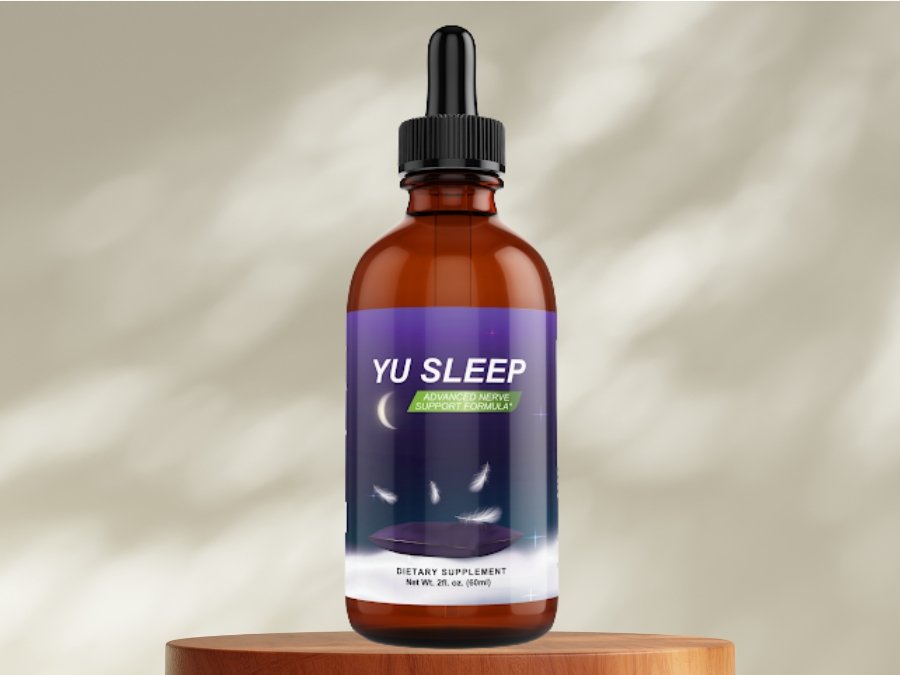
    Yu Sleep liquid sleep-support supplement bottle
    Yu Sleep liquid dietary supplement
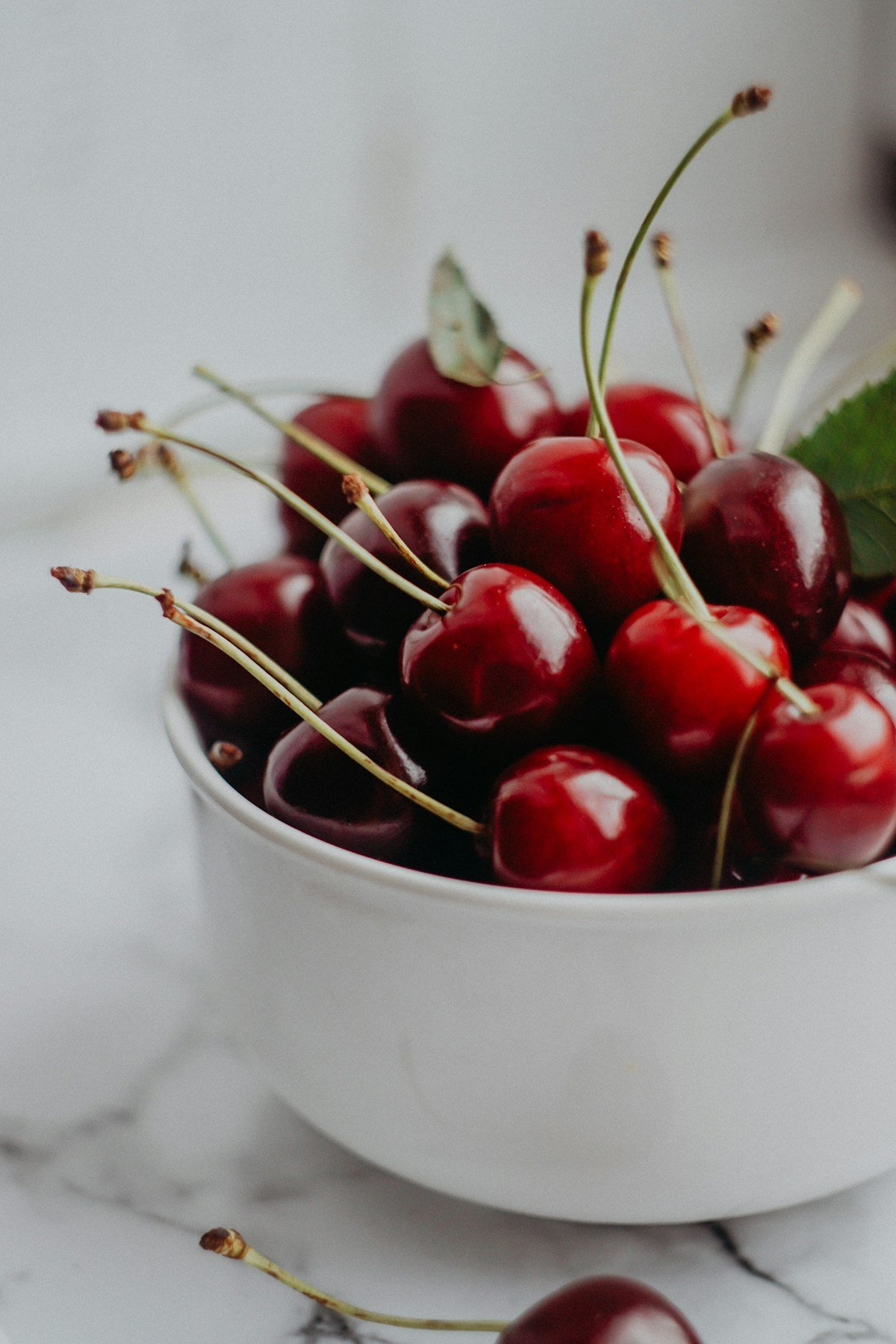
    Fresh cherries — learn more about Yu Sleep and its tart cherry ingredientsCurious About Tart Cherry and Sleep?LEARN MORE →
    Opens Yu Sleep’s official video sales presentation (affiliate link).

    Yu Sleep at a Glance

    Product Yu Sleep
    Type Liquid dietary supplement
    Melatonin 0.9 mg per 2 mL serving
    Other ingredients Red tart cherry, magnesium glycinate, L-theanine, lemon balm, apigenin, GABA, 5-HTP, vitamins B2 and B6
    Serving 2 mL (approximately two droppers)
    Servings per bottle Approximately 30
    Advertised starting price $39 per bottle in the six-bottle offer, subject to checkout verification
    Return period 60 days

    Our Quick Take

    Yu Sleep is worth considering for adults who want a convenient liquid supplement combining low-dose melatonin with several botanical and nutritional ingredients. We particularly like the easily understood melatonin amount and the inclusion of tart cherry concentrate, which has been examined in human sleep studies.

    The combined formula may appeal to buyers who prefer one nighttime product rather than several separate supplements. As always, the best choice depends on your personal sleep-support goals and preferences.

    Check Current Yu Sleep Prices →

    What Makes Yu Sleep Different?

    1. A Convenient Liquid Format

    Yu Sleep comes in a dropper bottle instead of capsules or tablets. That may suit people who dislike swallowing pills or simply want a straightforward addition to their nighttime routine. The convenient liquid format makes Yu Sleep easy to add to a nighttime routine.

    2. A Lower, Clearly Disclosed Melatonin Dose

    Yu Sleep’s listed 0.9 mg melatonin serving is lower than many products sold at 3 mg, 5 mg, or more. Some shoppers value a lower-dose option; the right dose still depends on the person and reason for taking it.

    3. Several Sleep-Related Ingredients Together

    Besides melatonin, the formula includes tart cherry concentrate, magnesium glycinate, L-theanine, lemon balm, apigenin, GABA, and 5-HTP. Each has its own scientific or traditional-use background. Together, these ingredients give Yu Sleep a convenient, multi-ingredient approach to nighttime relaxation and sleep support.

    Yu Sleep Ingredients: What Does the Research Say?

    Melatonin: The Body’s Natural Timing Signal

    Melatonin is a hormone involved in regulating the body’s sleep–wake cycle. Its natural production typically increases in darkness, signaling biological nighttime. Researchers have studied melatonin particularly for circadian-rhythm and certain sleep-timing problems. The U.S. National Center for Complementary and Integrative Health explains that its usefulness varies by condition.

    Why it matters: Melatonin has a well-established role in sleep timing, and Yu Sleep discloses a relatively low 0.9 mg amount.

    Stylized sleep-wake body clock and moon illustration
    Illustration: Melatonin helps communicate nighttime timing to the body’s internal clock.

    Red Tart Cherry Concentrate: A Particularly Interesting Ingredient

    Tart cherries naturally contain melatonin and plant compounds called polyphenols. In a randomized, placebo-controlled study, tart cherry juice concentrate was associated with improvements in total sleep time and sleep efficiency. Another study involving older adults also examined tart cherry juice for insomnia-related measures.

    These findings make tart cherry a legitimate subject of sleep research, rather than merely a fashionable label ingredient. These findings make tart cherry an especially interesting ingredient in Yu Sleep’s nighttime-support formula.

    Why we like it: Tart cherry has a plausible biological connection to sleep and promising human research.

    Illustration of a bowl filled with red tart cherries
    Tart cherry is one of the ingredients in the Yu Sleep formula.

    Magnesium Glycinate: Normal Nerve and Muscle Function

    Magnesium is an essential mineral involved in hundreds of biological processes, including muscle and nerve function. Magnesium glycinate is a commonly used supplement form. Its role in supporting normal nerve and muscle function makes magnesium a relevant ingredient in Yu Sleep’s nighttime wellness formula.

    L-Theanine: Relaxation-Related Research

    L-theanine is an amino acid naturally found in tea. Researchers have investigated its effects on perceived stress, relaxation, and sleep-related outcomes. Encouraging research into its calming properties makes L-theanine a natural fit for Yu Sleep’s nighttime-support formula.

    Lemon Balm: A Traditional Calming Herb

    Lemon balm (Melissa officinalis) has a long history of use in calming herbal preparations. Modern studies have investigated extracts for relaxation and certain sleep-related measures. Its traditional use and emerging research into relaxation make lemon balm a fitting botanical in Yu Sleep’s nighttime-support blend.

    Apigenin: A Plant Flavonoid

    Apigenin is found in plants such as chamomile. Scientists have explored its biological activity, including pathways relevant to relaxation. Its connections to relaxation-related biological pathways make apigenin an interesting addition to Yu Sleep’s botanical blend.

    GABA: A Nervous-System Messenger

    GABA is an important neurotransmitter in the brain. Researchers have also explored GABA supplements for relaxation and sleep-related outcomes. Its role in nervous-system signaling makes it a relevant ingredient in Yu Sleep’s nighttime-support blend.

    5-HTP: Related to Serotonin Pathways

    5-HTP is used by the body in producing serotonin, a chemical involved in multiple biological processes. Researchers have studied 5-HTP in connection with sleep and serotonin-related pathways, making it another ingredient of interest in Yu Sleep’s nighttime-support blend.

    Vitamins B2 and B6

    Yu Sleep includes 0.5 mg each of vitamins B2 and B6. Both are essential nutrients that support normal metabolism; B6 also participates in neurotransmitter-related pathways. Together, vitamins B2 and B6 contribute nutritional support to Yu Sleep’s broader nighttime wellness formula.

    Why the Combination Formula May Appeal

    Sleep timing, relaxation, and nervous-system function involve different biological processes. Yu Sleep brings together ingredients associated with several of those processes in one product. The main advantage is practical convenience for shoppers who want a combination supplement.

    The manufacturer lists seven ingredients together in a 637 mg proprietary blend without disclosing individual amounts. Yu Sleep brings these ingredients together in a convenient proprietary blend designed for nighttime support.

    What We Like About Yu Sleep

    • Liquid dropper format: convenient for people who prefer not to swallow capsules.
    • Disclosed melatonin amount: 0.9 mg per serving.
    • Tart cherry concentrate: an ingredient with some encouraging preliminary human sleep research.
    • Combination approach: several botanical and nutritional ingredients in one product.
    • Package choices: smaller and larger supplies to suit different budgets.
    • 60-day return policy: the seller offers a 60-day window to request a refund.
    Yu Sleep bottle — select to learn more and see the official offerLEARN MORE ABOUT YU SLEEP →
    View the vendor’s video sales presentation through our affiliate link.

    Yu Sleep Pricing and Package Options

    The affiliate offer previously reviewed advertised these packages. Prices are promotional and must be confirmed on the live checkout page before purchase.

    Package Advertised per bottle Advertised product total
    1 bottle / approximately 30 days $69 $69
    3 bottles / approximately 90 days $59 $177
    6 bottles / approximately 180 days $39 $234

    On those advertised figures, six bottles offer the lowest per-bottle price; a single bottle requires the smallest initial purchase. Some versions of the sales offer advertise free shipping for multiple-bottle purchases. Check the current price at checkout.

    See Current Yu Sleep Packages →

    What About the 60-Day Guarantee?

    Yu Sleep comes with a 60-day refund window. If you decide to request a refund, contact the seller’s support team and follow the return instructions.

    Important Ingredient Note

    Yu Sleep contains 5-HTP, which may interact with certain antidepressants and other medications affecting serotonin. If you take these medications, check with your healthcare provider before using Yu Sleep.

    Who Might Consider Yu Sleep?

    • Adults who prefer liquids rather than capsules.
    • Shoppers who want a relatively low, clearly listed melatonin amount.
    • People interested in tart cherry and botanical nighttime ingredients.
    • Buyers who appreciate the convenience of a combination formula.

    Our Final Verdict: Is Yu Sleep Worth Trying?

    Yes. We recommend Yu Sleep as an option worth considering for adults looking for a convenient, multi-ingredient sleep-support supplement.

    What makes Yu Sleep particularly interesting is its combination of low-dose melatonin, red tart cherry concentrate, magnesium glycinate, and several botanical ingredients associated with nighttime relaxation. We especially like the inclusion of tart cherry, which has been investigated in human studies examining sleep quality and duration.

    The liquid format is another appealing feature for people who prefer a simple, dropper-based nighttime routine rather than capsules. While results naturally vary, Yu Sleep offers an interesting combination of ingredients for adults exploring sleep-support options.

    Our recommendation: If you’re interested in a liquid sleep-support formula rather than a basic melatonin-only supplement, Yu Sleep deserves a closer look. Explore Yu Sleep’s blend of ingredients and see how it fits your nighttime routine.

    Check Current Yu Sleep Prices and Packages →

    Frequently Asked Questions

    Does Yu Sleep contain melatonin?

    Yes. The disclosed formula lists 0.9 mg per 2 mL serving.

    Does Yu Sleep contain tart cherry?

    Yes. Red tart cherry concentrate is included in its proprietary blend.

    Has tart cherry been studied for sleep?

    Yes. Human studies have reported improvements in certain sleep measures using tart cherry preparations. This makes tart cherry a particularly interesting ingredient in Yu Sleep’s formula.

    Is Yu Sleep a prescription sleeping medication?

    No. It is marketed as a dietary supplement, not as a prescription treatment for insomnia.

    How many servings are in a bottle?

    The listed formula provides approximately 30 servings per bottle.

    Does Yu Sleep have a refund policy?

    The ClickBank-linked seller describes a 60-day return period.

    Scientific References and Product Information

    1. National Center for Complementary and Integrative Health — Melatonin: What You Need to Know
    2. Howatson et al. — Tart cherry juice, melatonin and sleep quality
    3. Pigeon et al. — Tart cherry juice and sleep among older adults
    4. Yu Sleep — ClickBank-linked refund policy

    Editorial note: Healthy Vitality Hub evaluates products using disclosed formulation information and published research. We have not personally tested Yu Sleep. This article is educational, not medical advice.