
Affiliate Disclosure: This article may link to product reviews or affiliate offers. If you purchase through an affiliate link, we may earn a commission at no additional cost to you. Read our full disclosure.
Discover the amazing science behind your brain’s mysterious nighttime wake-up calls—and what you can do to enjoy more restful nights.

It’s 3:07 in the morning.
Your bedroom is dark. The house is silent. Everyone else seems to be sleeping peacefully.
But suddenly, your eyes open.
You glance at the clock.
3 AM. Again!
You were sleeping just moments ago. So why did your brain suddenly decide it was time to wake up?
Here’s something fascinating.
While you sleep, your brain isn’t simply switched off. It’s running an amazing nighttime program. Every night, it moves through several stages of sleep, guided by chemical messengers and a tiny internal clock.
And sometimes, something interrupts that carefully timed process.
Scientists have discovered several surprising reasons why this happens. Let’s explore seven of them.
1. Your Brain Has a Remarkable Internal Clock
Deep inside your brain is a tiny group of nerve cells called the suprachiasmatic nucleus, or SCN.
Think of it as your body’s master clock.
It sits in a part of the brain called the hypothalamus and helps coordinate your daily sleep-wake rhythm.
When morning light reaches your eyes, it sends a message to this clock. It’s daytime!
As evening approaches, the clock helps prepare your body for nighttime. One of the chemical signals involved is melatonin.
But here’s the surprising part: your brain’s clock keeps working even when you’re asleep.
It helps coordinate changes in body temperature, hormone activity, and your natural tendency to feel sleepy or alert.
If your daily schedule changes, or your sleep rhythm becomes disrupted, you may find yourself waking at unusual hours.
The discovery: Sleep isn’t just about feeling tired. It’s controlled by an internal timing system that works around the clock.
2. Your Brain Changes Sleep Stages Throughout the Night
Imagine watching a movie that changes scenes every 90 minutes or so.
That’s a little like what happens during sleep.
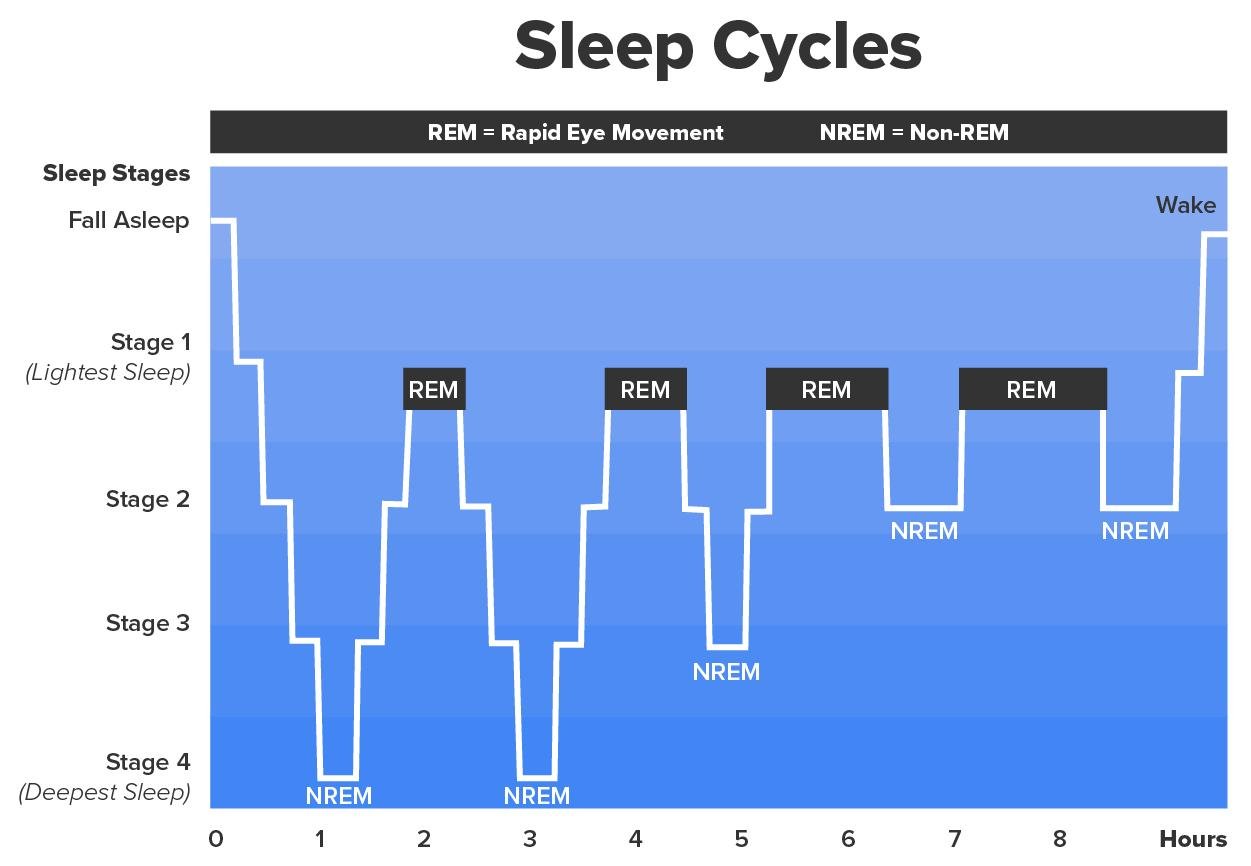
Your brain moves through several sleep cycles each night. A complete cycle generally lasts roughly 70 to 120 minutes, although the timing varies.
Each cycle includes different combinations of light sleep, deep sleep, and REM sleep.
REM stands for rapid eye movement. It’s a stage closely connected with vivid dreaming.
Here’s where things become interesting.
During the first part of the night, you generally spend more time in deep sleep. Later, REM periods usually become longer.
That means the second half of your night has a different sleep pattern from the first.
Brief awakenings can happen as your brain moves between stages.
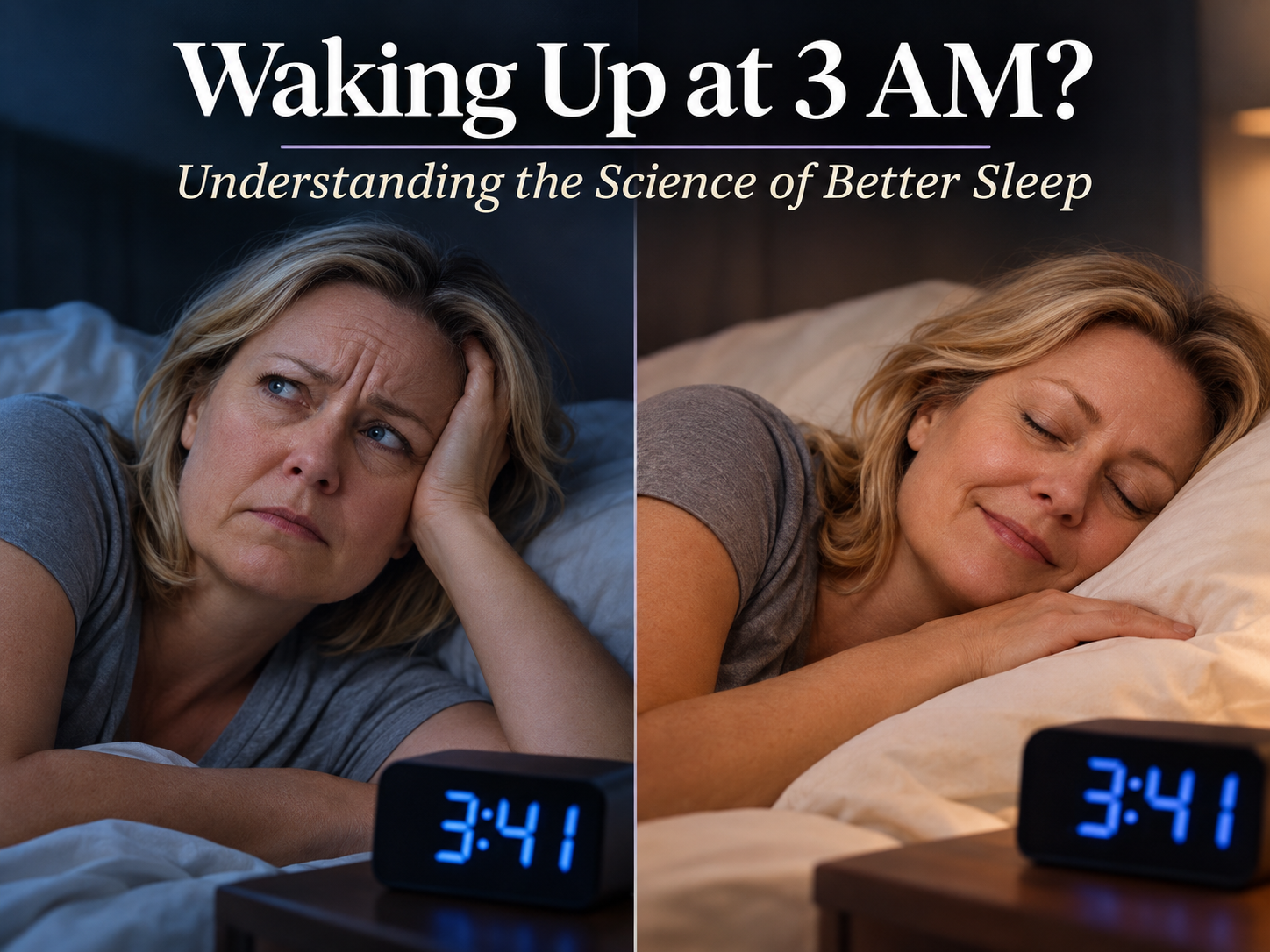
If you go to bed around 10 PM, one of those awakenings might happen around 3 AM.
And if something keeps you awake, you may remember it clearly the next morning.
The discovery: Your brain doesn’t sleep in one long, steady state. It follows repeating cycles that change as the night progresses.
3. Your Brain May Still Be Thinking About Yesterday
Have you ever gone to bed with a problem on your mind?
An unpaid bill. An important meeting. A disagreement with someone you care about.
You fall asleep, but a few hours later, you’re wide awake again.
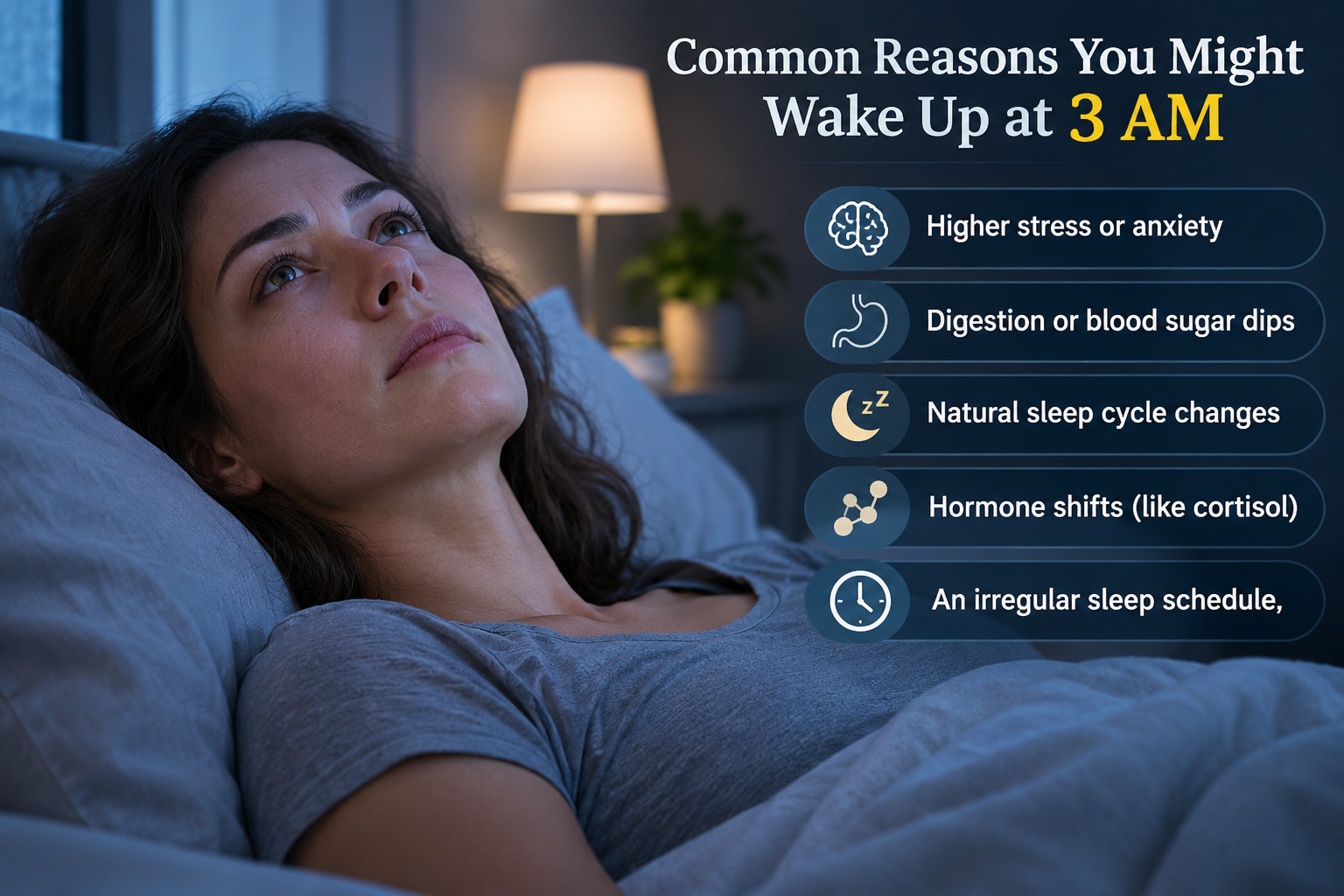
Stress can make sleep more difficult.
Your body’s stress-response system involves chemicals such as cortisol, which helps regulate alertness and energy.
Cortisol follows a daily rhythm. It is generally lower earlier in the night and rises toward morning.
But waking at 3 AM doesn’t automatically mean your cortisol is too high.
Stress and worry can make it harder to settle back to sleep after an ordinary nighttime awakening.
Then something else happens. You look at the clock and think: Oh no! I’m awake again. Tomorrow is going to be terrible!
Now you’re even more alert.
This can create a frustrating cycle of waking, worrying, and staying awake.
The discovery: Sometimes the problem isn’t that you woke up. It’s that your brain becomes too alert to drift back to sleep.
4. Your Evening Drink May Be Fooling You
Here’s a surprising fact about alcohol.
It can make you feel sleepy at first. But that doesn’t mean it helps you sleep well throughout the night.
As your body processes alcohol, your sleep can become more broken. You may wake more often during the second half of the night.
Caffeine can also interfere with sleep.
And caffeine isn’t found only in coffee. It can appear in tea, chocolate, energy drinks, and some medications.
For sensitive people, an afternoon cup of coffee may still affect sleep hours later.
The discovery: Feeling sleepy and getting restful sleep are not necessarily the same thing.
5. Your Bedroom May Be Sending Wake-Up Signals
Your brain continues monitoring the world around you even while you sleep.
A passing car. A warm bedroom. A barking dog. Light from a television.
Any of these may disturb your sleep.
Temperature is particularly interesting.
Your body temperature follows a daily rhythm, generally dropping during the nighttime hours.
A room that’s too hot or uncomfortable can make it harder to maintain restful sleep.
Try keeping your bedroom cool, dark, and quiet. Small environmental changes sometimes make a meaningful difference.
The discovery: Even while you’re asleep, your brain remains sensitive to what’s happening around you.
6. Your Sleep Pattern Changes as You Get Older
Here’s another fascinating discovery.
The way you sleep at age 60 may be different from the way you slept at age 20.
As people age, they often spend less time in deep sleep. They may also wake more frequently and become sleepy earlier in the evening.
Why does this happen?
Scientists have found that aging affects several parts of the sleep system, including sleep patterns and the body’s internal clock.
That doesn’t mean everyone must accept poor sleep as an unavoidable part of aging.
It simply means the body’s sleep system changes over time.
Understanding those changes can help you develop better sleep habits.
The discovery: Your sleep system continues changing throughout your life, just like the rest of your body.
7. Sometimes Your Body Is Trying to Tell You Something
Not every 3 AM awakening is caused by your sleep clock. Sometimes nighttime waking is connected with another issue.
For example, sleep apnea can cause breathing to stop and restart repeatedly during sleep.
Your brain may briefly wake you as your body works to restore normal breathing.
Acid reflux, nighttime urination, discomfort, and certain medications can also interrupt rest.
If you frequently wake up gasping, snore loudly, feel unusually sleepy during the day, or struggle with repeated awakenings, a healthcare professional can help identify the cause.
The encouraging news is that many sleep problems can be evaluated and treated.
The discovery: Your nighttime awakenings sometimes provide useful clues about your overall health.
How to Fall Back Asleep When You Wake Up at 3 AM
So what should you do when you wake up and your clock says 3:07?
Start by remembering something important.
A brief awakening doesn’t mean your entire night’s sleep is ruined.
- Avoid watching the clock. Repeated time-checking can make you more frustrated.
- Keep the lights dim. Bright light can send your brain a daytime signal.
- Relax your body. Try slow breathing or gently relaxing one muscle group at a time.
- Don’t force sleep. If you’re wide awake for a while, get out of bed and do something quiet in dim light until you feel sleepy again.
- Keep a regular wake-up time. A steady schedule helps support your internal clock.
If nighttime awakenings become a long-term problem, cognitive behavioral therapy for insomnia (CBT-I) is an evidence-based treatment worth discussing with a healthcare professional.
Can Natural Sleep Ingredients Support a Bedtime Routine?
Scientists have discovered some fascinating things about natural sleep-support ingredients.
Melatonin helps regulate the body’s internal clock, while researchers have explored L-theanine, magnesium, and certain plant extracts for their possible roles in relaxation and sleep.
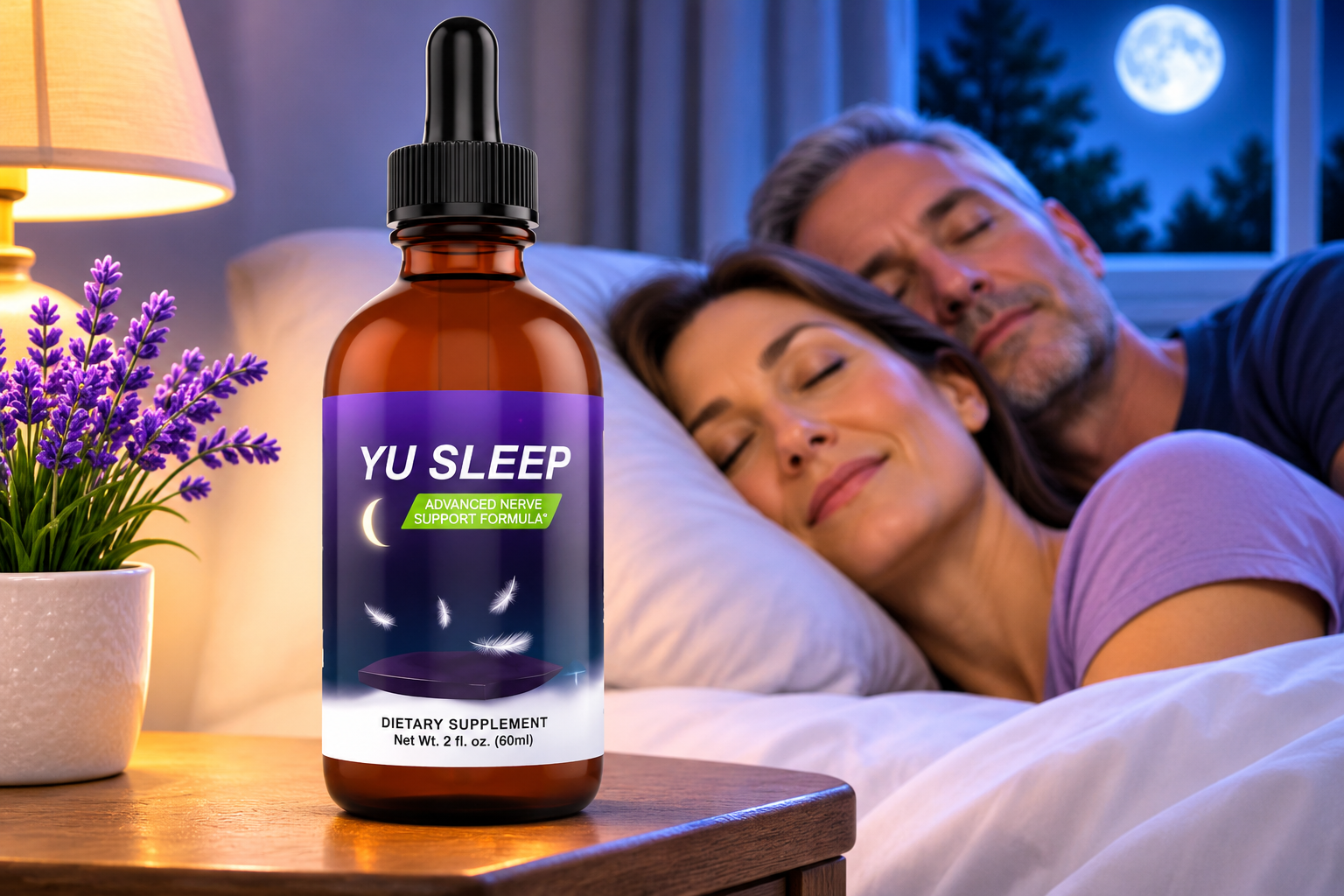
These discoveries have inspired supplements that bring several ingredients together in one formula, including YouSleep.
How well a combination works depends on its ingredients, their amounts, and how they interact.
If you’re curious about multi-ingredient bedtime supplements, you can explore our YouSleep Review: What Makes This Sleep Supplement Worth Exploring?
A healthy bedtime routine remains an important foundation for good sleep. Persistent nighttime waking may also deserve medical evaluation.
Frequently Asked Questions
Why do I keep waking up at exactly 3 AM?
There isn’t one special biological event that makes everyone wake at exactly 3 AM. Sleep-stage changes, stress, habits, environmental factors, and health conditions may contribute. Your normal bedtime also affects when awakenings happen.
Is waking up at 3 AM normal?
Occasional brief awakenings are common. Frequent awakenings that disrupt your sleep or daytime functioning deserve closer attention.
Why do I wake up after four or five hours of sleep?
You may be experiencing a normal change in sleep stages, but stress, alcohol, caffeine, discomfort, or a sleep disorder could also play a role.
Does waking up at 3 AM mean my cortisol is too high?
Not necessarily. Cortisol naturally changes throughout the day and night. Waking at a certain hour by itself cannot establish that your cortisol level is abnormal.
What should I do if I can’t fall back asleep?
Avoid clock-watching, keep the lights low, and try a relaxing activity. If you’re unable to fall asleep after a while, briefly getting out of bed can be more helpful than struggling in bed.
The Amazing Truth About Your Sleeping Brain
The next time you wake up in the middle of the night, remember this:
Your brain hasn’t stopped working.
Even in complete darkness, it’s coordinating an extraordinary series of events.
Sleep cycles change. Chemical signals rise and fall. Your internal clock keeps time.
And your body continues its nightly work.
The more scientists learn about sleep, the more remarkable this process becomes.
Sometimes, understanding why you wake up is the first step toward getting a better night’s rest.
Leave a Reply