
Why does sleep seem to disappear when you need it most? The answer begins with a remarkable discovery about your brain.

It’s 10:47 at night.
You’ve been yawning all evening. Your shoulders feel heavy. Your eyes ache. At last, you crawl into bed, pull up the covers, and close your eyes.
Finally, you think. Sleep!
But ten minutes pass. Then twenty. Suddenly, your brain remembers an unfinished task, tomorrow’s appointment, and a conversation from three days ago.
Your body feels exhausted. Your mind acts as if someone flipped on a light.
How can both things happen at once?
Scientists have discovered something fascinating: feeling tired and being ready to fall asleep are not always the same thing. Let’s explore why.
The Amazing Discovery: Your Brain Has Two Sleep Controls
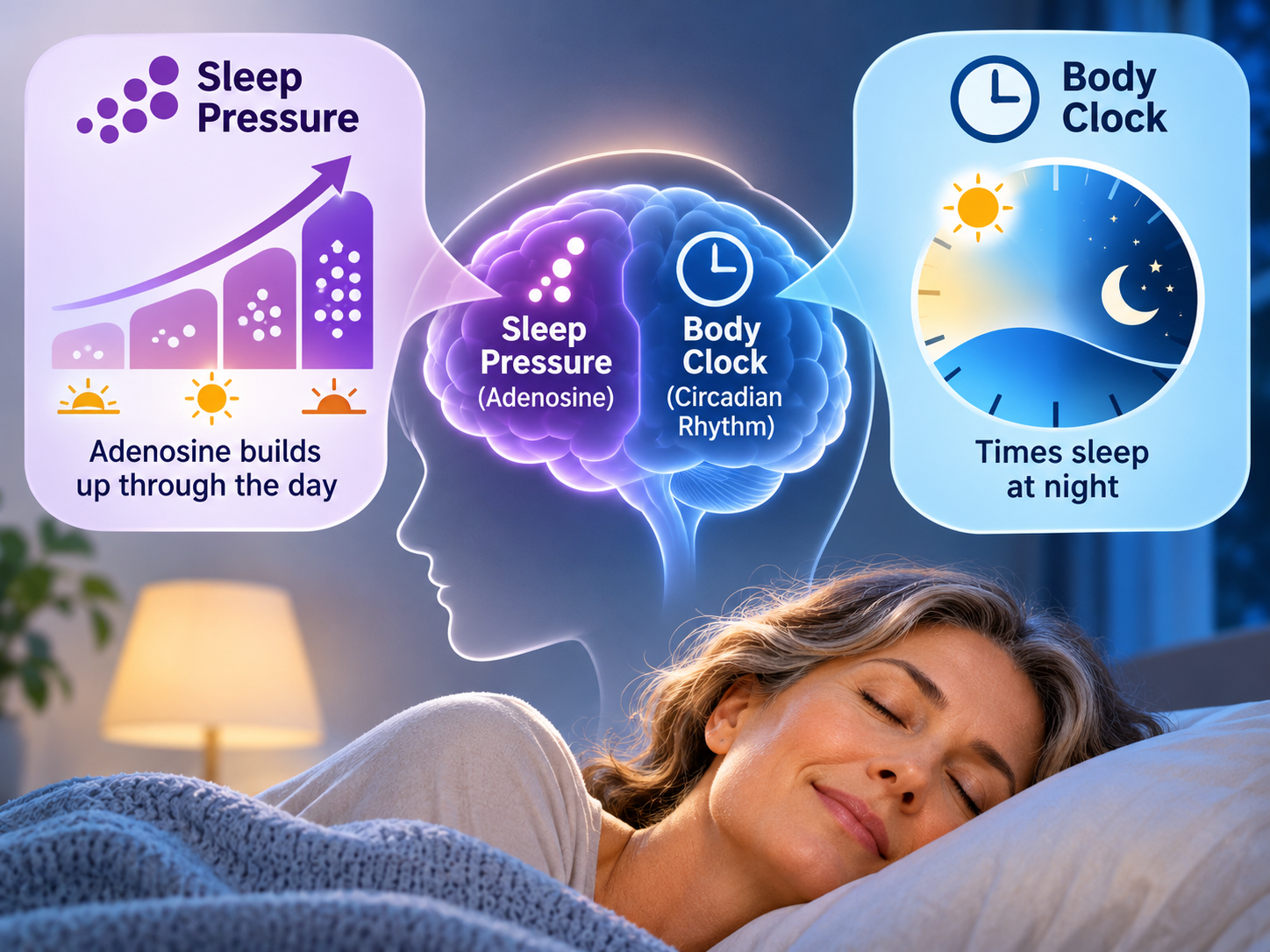
Imagine a theater with two people in charge. One lowers the lights. The other decides when the show begins. If they don’t work together, everything feels out of place.
Your brain has two major sleep systems that work together in a similar way.
The first is sleep pressure. As you stay awake, a chemical called adenosine builds up in your brain. This helps explain why your need for sleep grows during the day.
The second is your body clock, also called your circadian rhythm. It uses signals from light and darkness to help set the timing of sleep and wakefulness.
When these systems work together, sleep comes more easily. But sometimes your body has built up plenty of sleep pressure while your brain is still getting signals to stay awake. The National Heart, Lung, and Blood Institute explains these systems in What Makes You Sleep?.
1. Your Brain May Be Stuck in Alert Mode

Have you ever been so tired you could barely think—but still unable to turn your thoughts off?
Stress can keep your mind on alert after your busy day has ended. Maybe you’re thinking about money, work, family, or what might happen tomorrow. Even asking yourself, “Why am I still awake?” can add more worry.
Scientists sometimes call this heightened state arousal. Being alert helps when you need to solve a problem. It is much less helpful when you’re trying to sleep.
Try this: Before bed, write tomorrow’s important tasks on paper. You don’t need to solve them tonight. Give yourself a quiet wind-down period instead.
2. Your Body Clock May Be Running on a Different Schedule
Deep inside your brain is a tiny master clock. It helps keep your body’s daily rhythms on track.
Here’s the surprising part: light helps set that clock. Bright evening lights and screens can send a daytime signal when your brain should be preparing for night.
Sleeping in very late on weekends can also make an earlier bedtime harder. You may feel worn out without feeling sleepy at the time you want.
Try this: Wake up at about the same time every morning and get daylight early in the day. Make your surroundings dimmer as bedtime approaches.
3. Your Afternoon Coffee May Still Be Working
That cup of coffee you enjoyed after lunch may feel like ancient history. But caffeine can keep working for hours.
Caffeine blocks some of the effects of adenosine—the brain chemical involved in building sleep pressure. So even when your body needs rest, you may not feel quite as sleepy.
Caffeine can also hide in energy drinks, some teas, chocolate, and certain medicines. People break it down at different speeds.
Try this: Experiment with having caffeine earlier in the day or reducing it. Notice whether falling asleep becomes easier.
4. You May Be Trying Too Hard to Fall Asleep

This one seems backward.
You want to sleep so badly that you keep checking the clock. You calculate the hours until morning. You test whether you’re sleepy yet.
But now bedtime feels like an exam you must pass.
Try this: Turn the clock away. If you’re awake for a while, get up and do something calm in dim light until you feel sleepy again. That helps your brain connect the bed with sleep rather than frustration.
5. Your Bedroom May Be Sending Wake-Up Signals
Your brain is always collecting clues from your surroundings. A glowing phone, a warm room, or outside noise can make it harder to settle.
Think of your bedroom as part of your nightly routine—not merely the place where you put your pillow.
Try this: Keep it dark, quiet, and comfortably cool. Move distracting screens away from the bed, and make your bedtime routine simple.
6. Your Sleep Timing May Change as You Get Older
As people age, their sleep patterns can shift. Some people become sleepy earlier and wake earlier. Deep sleep also tends to decrease with age.
That does not mean poor sleep is something you must accept. It means your familiar bedtime schedule may deserve a fresh look.
Try this: Notice when you naturally become sleepy. Stick with a steady wake-up time, and avoid forcing yourself to go to bed much earlier than your body is ready.
7. Something Beyond Your Bedtime Habits May Be Involved
Sometimes the sleep mystery has another clue.
Pain, medication effects, anxiety, restless legs, hormonal changes, or other health conditions can make it difficult to fall asleep. Sleep apnea can also disrupt sleep and leave people exhausted during the day.
If sleep problems keep happening, or you’re very sleepy during the day, talk with a healthcare professional. Conditions such as sleep apnea and chronic insomnia have treatments that go well beyond changing your bedtime habits.
A Simple Seven-Step Plan for Tonight

- Choose a regular wake-up time. Keep it steady, including weekends when you can.
- Get morning light. Natural daylight helps your body clock recognize daytime.
- Move caffeine earlier. Give its stimulating effects time to wear off.
- Create a calm final hour. Lower the lights and set aside work and upsetting news.
- Make the room comfortable. Aim for dark, quiet, and cool.
- Stop watching the clock. If you remain awake, do something relaxing outside the bed until sleepy.
- Seek support if it continues. Cognitive behavioral therapy for insomnia (CBT-I) is an evidence-based treatment for long-lasting insomnia.
The NIH describes CBT-I and other treatment options in its insomnia treatment guide.
Can Sleep-Support Ingredients Help You Wind Down?
Here’s another fascinating area of research: scientists have studied how certain substances affect relaxation and the body’s sleep-wake signals.
Melatonin is a hormone that helps signal nighttime to your body clock. Researchers have also explored L-theanine, magnesium, and some plant-derived ingredients for possible effects on relaxation and sleep.
But ingredients are not interchangeable. An effect seen in one study does not mean every supplement works the same way. The amount, formulation, and quality of evidence all matter. Melatonin, for example, may be useful for certain timing-related sleep problems, but it is not a universal fix for insomnia.
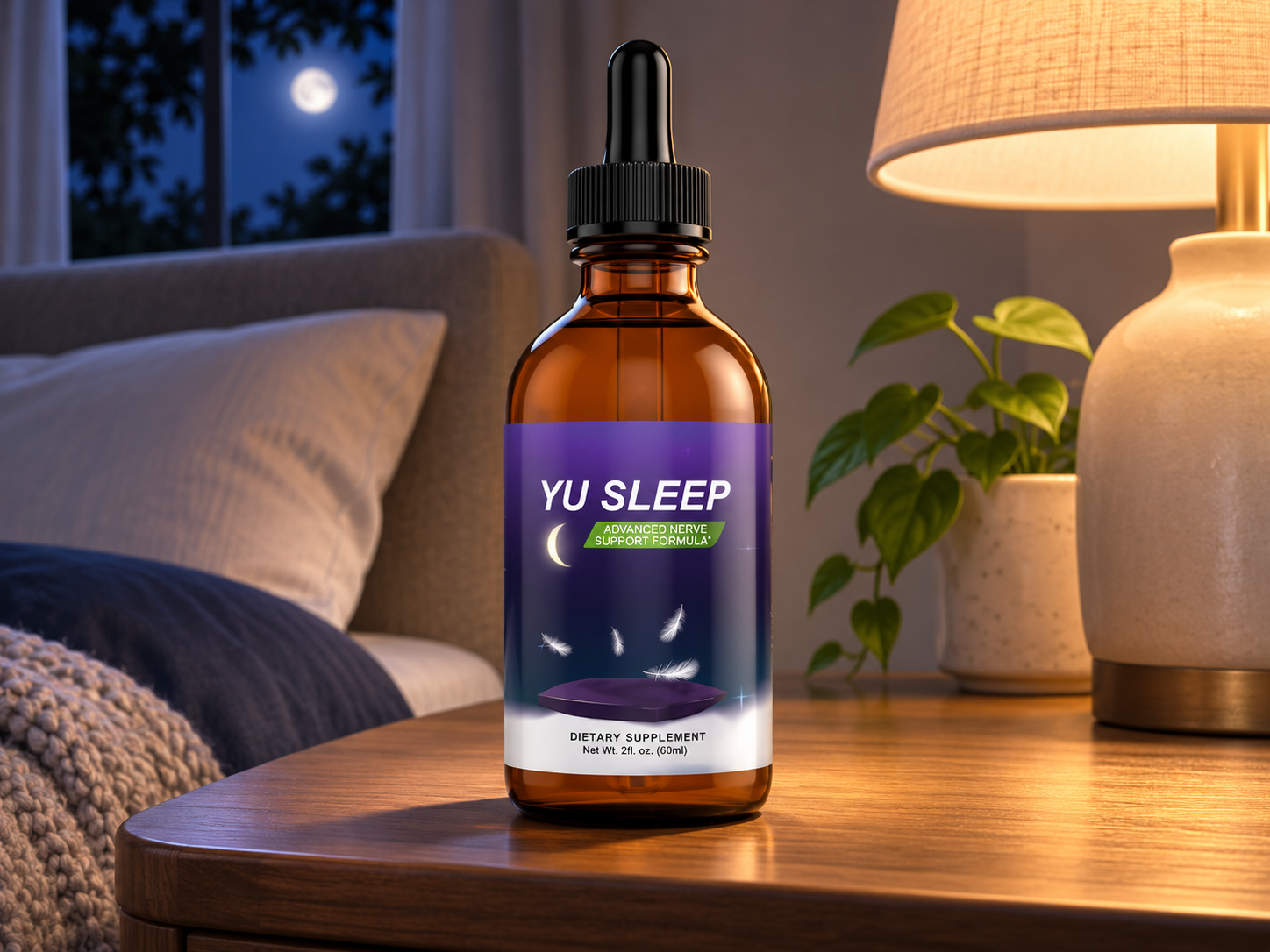
Some products combine multiple ingredients in one formula. If you’re curious about one such option, explore our YU SLEEP review: ingredients, benefits, pricing, and what to know. The review is a place to examine the actual formula—not a promise that it will fix every reason someone feels tired but cannot sleep.
If you’re considering a sleep supplement, it’s helpful to understand its ingredients and how they may work with your body’s natural sleep processes. A healthcare professional can also help you choose an option that fits your individual needs, especially if you take medications.
Frequently Asked Questions
Why am I exhausted but wide awake at bedtime?
Being exhausted doesn’t always mean your brain is ready for sleep. Stress, caffeine, light exposure, and a body clock that is out of sync can keep you alert despite feeling drained.
Can anxiety make me feel tired but unable to sleep?
Yes. Worry can keep your brain in an alert state. A regular wind-down routine and evidence-based treatment can help when anxiety or insomnia is persistent.
Does magnesium help everyone sleep?
No. Research on magnesium for sleep is mixed and limited. Whether it helps depends on the person, their health, and the specific form and amount studied.
Should I stay in bed if I cannot fall asleep?
If you’ve been awake for a while and feel frustrated, sleep specialists often recommend getting out of bed and doing something relaxing in dim light until sleepiness returns.
When should I seek medical help?
Get advice when sleep problems are frequent, last for weeks, affect daytime functioning, or come with loud snoring, breathing pauses, or marked daytime sleepiness.
The Wonderful Truth About Your Sleeping Brain
That strange feeling—so tired, yet unable to sleep—isn’t proof that your brain has forgotten how to rest.
It’s a clue that several powerful systems are working at once.
Once you understand sleep pressure, your body clock, and the signals that keep your brain alert, bedtime becomes less mysterious. And sometimes, small changes in your daily routine can help those systems work together more smoothly.
Sleep is not something you can force. It is something you can make room for.
Scientific References and Further Reading
- National Heart, Lung, and Blood Institute: Your Body Clock and Sleep
- National Heart, Lung, and Blood Institute: Insomnia
- National Heart, Lung, and Blood Institute: Insomnia Treatment
- National Center for Complementary and Integrative Health: Melatonin—What You Need to Know
Educational information only. This article is not a substitute for individualized medical advice. Some links may be affiliate links; see our disclosure.
Leave a Reply